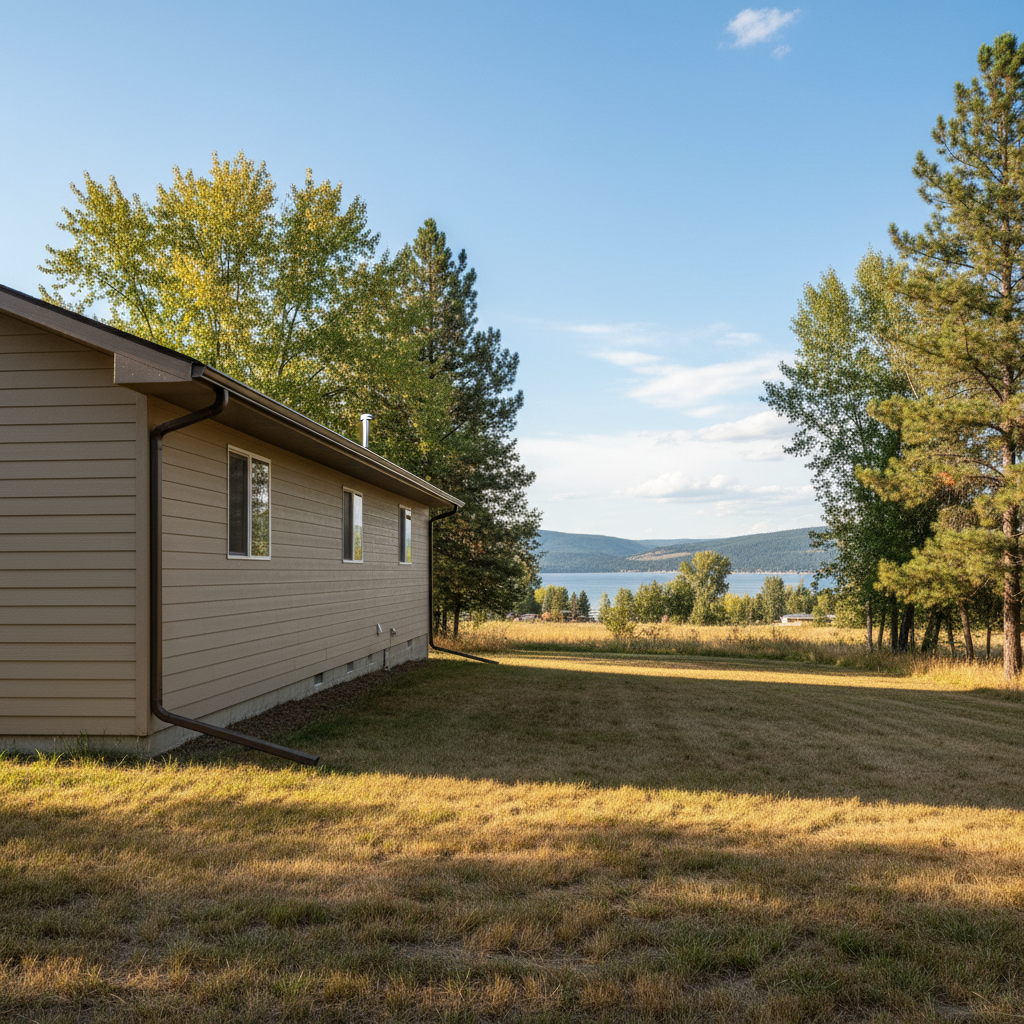
When's the last time you really *looked* at your gutters? I mean, beyond just noticing if they're overflowing during a downpour. If you're like most folks around Polson, it's probably been a while, or maybe you've just given 'em a quick glance from the ground.
But trust me, a quick glance isn't enough, especially with the kind of weather we get here. From heavy winter snow loads that sit on roofs for months to those sudden spring thaws and summer thunderstorms, your gutters take a beating. That's why a proper inspection is so important, and it's not just about looking for leaves, you know?
Why Regular Inspections Aren't Optional Here
You might think, 'My gutters look fine.' But looks can be deceiving. We've got a truly unique climate. Those older homes up on the east shore, with their steep pitches designed to shed snow, can put immense pressure on gutter systems. And down in the valley, where we get more direct sun exposure, materials can degrade differently. A small crack or a loose hanger can turn into a major headache fast.
What happens if you skip inspections? Well, I've seen everything from rotted fascia boards and damaged siding to flooded basements and compromised foundations. Water always finds a way, and if your gutters aren't doing their job, that way is usually right into your house or around its base. It's a lot cheaper to catch a small problem early than to fix major water damage later on.
What I'm Looking For During an Inspection
When I or one of my crew from Valley Gutter comes out, we're not just kicking tires. We've got a checklist, and we're looking at every single component of your system. Here's a rundown of what we're checking:
- Clogs and Debris: Yeah, this is obvious, but it's not just leaves. Pine needles from those towering Ponderosas, shingle grit, bird nests, even small branches can jam things up. We're looking inside the gutters and downspouts, too.
- Proper Pitch: Gutters need a slight slope towards the downspouts to drain correctly. If they're flat or even sloped the wrong way, water just sits there, inviting mosquitoes and causing corrosion.
- Loose or Damaged Hangers: These are what hold your gutters to your house. Snow and ice can really stress these out, believe me. If they're loose, bent, or missing, your gutters can start to sag or pull away from the fascia.
- Leaky Seams and Joints: Most gutters have seams where sections connect. Over time, these can separate or the sealant can fail. We check for drips, rust stains, or signs of water escaping.
- Downspout Condition: Are they clear? Are they securely attached? Do they direct water far enough away from your foundation? This last one is huge. If your downspouts are dumping water right next to your house, you're just moving the problem.
- Fascia and Soffit Damage: We're looking for any signs of water overflow or leaks that have already started to damage the wood behind or under your gutters. Rot, peeling paint, or discoloration are definite red flags.
- Overall Gutter Integrity: Are there dents, holes, or significant corrosion? Sometimes, especially with older aluminum or galvanized steel, the material itself just gives out.
Why Local Expertise Matters for Polson Homes
You can call any gutter company, sure. But someone from out of the area might not understand the specific challenges we face here. They might not know about the heavy clay soil common in some of the newer developments near the lake, which can make foundation issues worse if drainage isn't perfect. Or the specific types of trees that shed debris at different times of the year. We live and work right here. We know the local building codes, the common issues with older homes versus new construction, and what materials hold up best against our unique climate.
So, don't wait for a problem to become a disaster. A thorough gutter inspection is a small investment that can save you a lot of money and stress down the road. Give Valley Gutter a call, and we'll come take a look. We'll give you an honest assessment of what's going on and what, if anything, needs to be done.