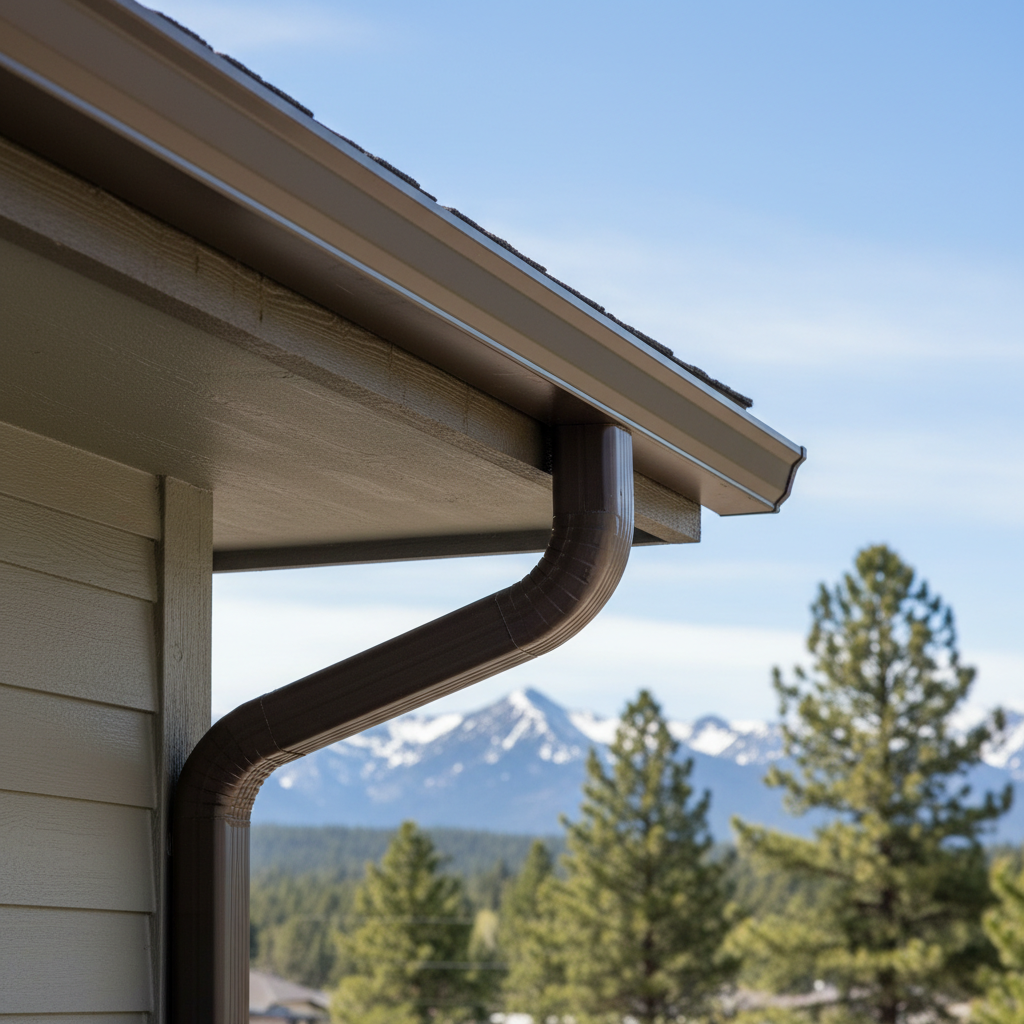
Thinking About New Gutters? Here's What You Need to Know.
So, you're thinking about new gutters for your place here in Polson. Maybe your old ones are shot, or you're building new and need to get them up. It's a pretty big job, and you're probably wondering if it's something you can tackle yourself or if it's better to call someone like us at Valley Gutter.
Let's be real for a second. Installing gutters isn't exactly rocket science, but doing it *right* — so they actually work and last — that's where the details really matter. I've seen plenty of DIY attempts that end up causing more problems than they solve, especially with our heavy snow loads and spring melt here in the Flathead. But I've also seen folks do a decent job on smaller, simpler projects. Here's my take on what you really need to consider.
Before You Even Start: Planning is Key
Before you lift a single tool, you've got to plan. This is probably the most overlooked step, and it's where most DIYers get tripped up.
- Measure Everything: You need accurate measurements of your roofline. Not just the length, mind you, but also how many corners, downspouts, and where those downspouts will actually go. Think about where the water will drain – you certainly don't want it pooling against your foundation or washing out your landscaping, do you?
- Choose Your Materials: K-style, half-round, aluminum, steel, copper? Each has its own good points and bad. Aluminum is popular because it's lightweight and doesn't rust, but it can dent. Steel is tougher, yes, but heavier and can rust if it's not coated properly. Copper looks great but costs a fortune. For most homes around Polson, especially those up in the Ridgewater area, seamless aluminum is the go-to for a reason – it handles our weather well.
- Tools and Safety: Do you have a good, stable ladder? A chalk line? A hacksaw or tin snips? A crimper? A drill? Rivet gun? You'll need more than just a screwdriver, believe me. And safety? You're working up high. Don't skimp on ladder safety or common sense.
- Permits: For just replacing existing gutters, you usually won't need a permit. But if it's new construction or a major alteration, always check with the county or city building department. Better safe than sorry, right?
During the Installation: Where DIY Gets Tricky
Okay, you've got your plan and your materials. Now for the actual work. This is where the difference between a decent job and a professional one really shows.
- Pitch is Everything: Gutters need to slope towards the downspouts, usually about 1/16 to 1/8 inch for every 10 feet. If you don't get this right, water will sit in your gutters, leading to clogs, ice dams, and eventually, failure. Getting that consistent pitch over a long run, especially around corners, is much harder than it looks.
- Seamless vs. Sectional: If you're doing it yourself, you'll likely be installing sectional gutters you buy at a big box store. These come in pre-cut lengths that you join together. Every joint is a potential leak point. Professional installers, like us, use a machine to roll out seamless gutters right on site. Fewer joints mean fewer leaks and a much cleaner look.
- Mounting and Fasteners: How you attach the gutters matters a lot. You need strong hangers spaced correctly, usually every 2-3 feet, secured into fascia boards or rafter ends. If your fascia is rotted, you've got to fix that first. Don't just nail them into flimsy wood.
- Downspout Placement: You want enough downspouts to handle the water volume, especially during a heavy spring thaw. Too few, and your gutters will overflow. Make sure they're positioned to direct water away from your foundation, too.
After Installation: Maintenance and Longevity
Once they're up, you're not entirely done. Gutters need a little love to keep working right.
- Regular Checks: Even if you've done a perfect job, check them regularly. After big storms, in the fall when leaves drop, and in the spring. Look for clogs, sagging, or any signs of damage.
- Cleaning: This is a given, but I'll say it anyway. Clean your gutters. If they're full of leaves and debris, they simply can't do their job.
- Repairs: If you see a small leak at a joint, you might be able to seal it yourself with gutter sealant. But if a section is badly bent, sagging, or pulling away from the house, that's a bigger fix.
When to Call a Pro (Like Valley Gutter)
Look, I'm not going to tell you that you absolutely can't install gutters yourself. If you've got a small shed, a single-story home with easy access, and you're handy, go for it. You'll learn a lot. But for most homes, especially two-story ones, or houses with complex rooflines, multiple angles, or really long runs, calling a professional is usually the smarter, safer, and more cost-effective choice in the long run.
We've got the specialized equipment (like those seamless gutter machines, for example), the experience to get the pitch perfect, and the knowledge of what works best for our local conditions. We also carry insurance, which is a big deal if something goes wrong. Plus, we stand behind our work. If you're unsure, or if the job just feels too big, don't hesitate to give us a call. We're happy to come out, take a look, and give you an honest assessment and a quote. It might save you a lot of headaches down the road.